Snorkeling vs Scuba Diving in Curaçao: Which Is Right for You?
Curaçao scuba diving or snorkeling? Compare depth, training, time, safety and the best spots so you can pick the right underwater day for your trip.

Updated November 9, 2026 · 6 min read
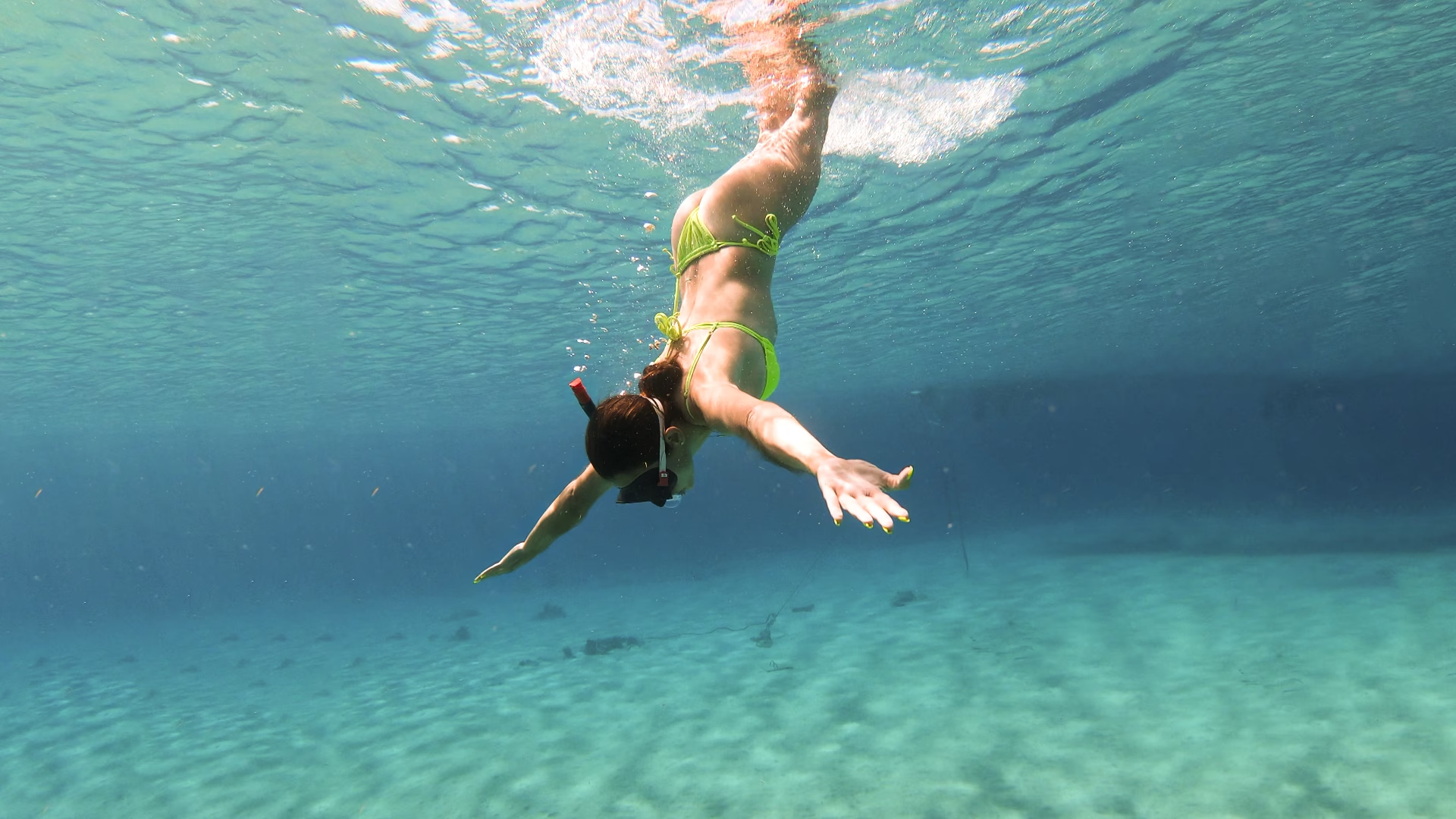
If you can swim and want to see turtles, fish and coral with no training, choose snorkeling. If you are certified, or curious enough to try a supervised intro dive, Curaçao scuba diving takes you deeper to wrecks, walls and larger reef structures. Both are excellent here because the reef starts close to shore, so the real question is how much time and training you want to spend.
We take guests snorkeling with sea turtles, and we do not run dive trips, so this comparison is about helping you pick the right day rather than selling you one. Here is how the two compare.
At a glance
- Best for no training: snorkeling. A mask, snorkel and basic swimming ability are enough.
- Best for depth and wrecks: scuba diving, with certification or a supervised intro program.
- Water temperature: 26 to 28°C (79 to 82°F) all year.
- Dive sites: more than 70, with more than 38 reachable from the beach.
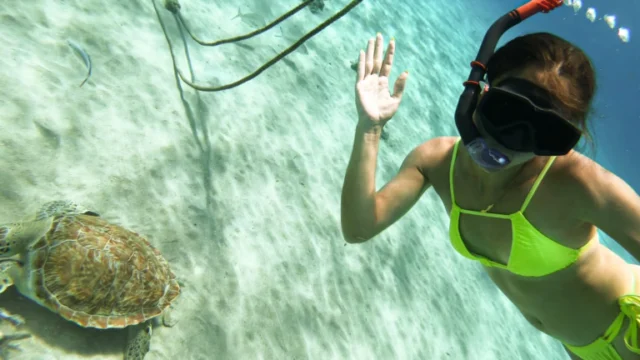
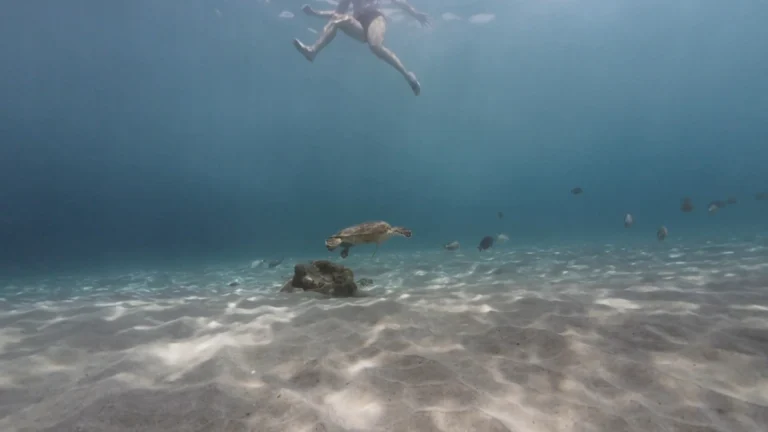
- Turtles: you can meet them on both, and snorkelers often have the better odds in shallow turtle bays.
- Flying home: divers should wait at least 12 hours after a single dive. Snorkelers have no waiting time.
Why Curaçao works for both
According to the Curaçao tourism board’s diving and snorkeling guide, the island has more than 70 dive sites, more than 38 of them accessible from the shore, with average visibility of 20 to 30 meters or more. The reef begins close to the beach, and the warm water means most people do not need a wetsuit. The Curaçao Marine Park on the southeast coast, managed by CARMABI, protects more than 65 coral species and more than 350 fish species.
That shore access is what makes the island unusual. You do not need a boat for a good day on the reef, whether you are floating at the surface or descending along the slope.
Snorkeling in Curaçao: what you get
Snorkeling keeps you at the surface, where the light is strongest and colors look brightest. Many of the best spots are in shallow bays, and our guide to the best snorkeling beaches for beginners covers the easy entries. The tourism board names Playa Lagun as a calm, protected bay, and Cas Abao, Blue Bay and Jan Thiel as beaches with reef close to shore.
- Training: none, though you should be comfortable in the water.
- Gear: mask, snorkel and fins. A life vest helps nervous swimmers.
- Time: flexible. Half an hour in the water can be plenty.
- Ages: suitable for most families, with supervision for children.
- Limits: you stay near the surface, so deeper reefs and wrecks are mostly out of reach.
Curaçao scuba diving: what you get
Diving gives you time underwater. You can hang beside a coral wall, swim through a wreck site and watch reef life without coming up for air. Sites range from easy to demanding, so match them to your experience. The tourism board lists these examples:
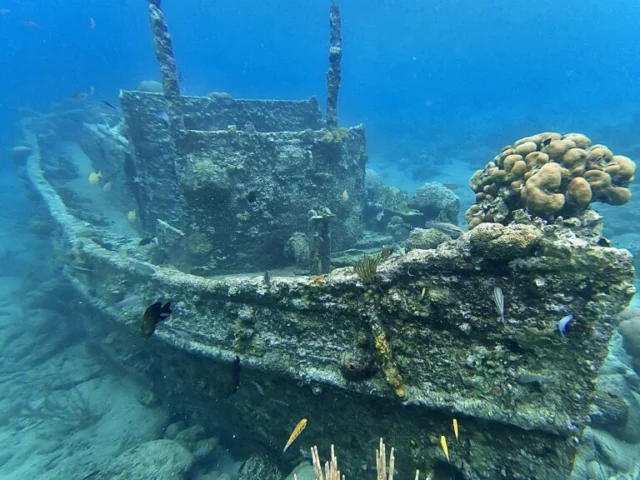
- Tugboat Wreck, Caracas Bay: a shallow wreck for beginners, about 5 to 12 meters. Snorkelers can see it too, as our Tugboat snorkeling guide explains.
- Playa Porto Mari: a double reef at about 5 to 25 meters, with sea turtles.
- Alice in Wonderland, Playa Kalki: a shore dive at 15 to 28 meters for intermediate divers.
- Superior Producer wreck, Willemstad: a cargo wreck at 18 to 30 meters for intermediate to advanced divers.
- Watamula: 20 to 40 meters with strong currents, for experienced divers only.
The trade-off is the commitment. Diving needs certification or a guided intro program, more equipment, a dive operator you trust and more time. It generally costs more than snorkeling because of the instruction and gear involved.
Can you dive without certification?
Yes, through an introductory program such as PADI Discover Scuba Diving. Participants must be at least 10 years old and able to swim, open water dives are limited to 12 meters (39 feet), and an instructor supervises directly. You will usually complete a medical statement first, and some conditions may require a doctor’s approval, so ask before you book. Contact a licensed dive operator in Curaçao directly for current schedules and requirements.
How to choose
- Choose snorkeling if you are short on time, traveling with kids, on a cruise port day, or mainly want to see turtles.
- Choose diving if you are certified, want wrecks and deep reef walls, or have a full vacation day to give it.
- Choose an intro dive if you have always wanted to try it and are comfortable in the water.
- Do both if you have several days. Snorkel first to get used to the water, then dive later in the trip.
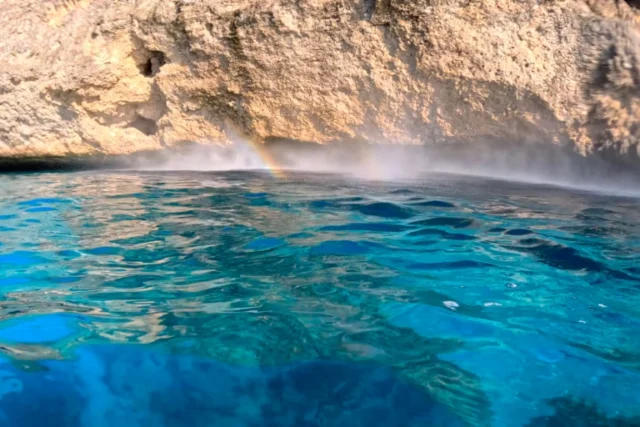
Sites such as the Blue Room show how the two overlap: the cave entrance sits just below the surface, so some snorkelers visit too, but it is a site that calls for care. Read our Blue Room cave guide before you go.
Timing, flights and port days
If you fly home soon after your trip, plan your last dive carefully. Divers Alert Network recommends a surface interval of at least 12 hours after a single no-decompression dive and at least 18 hours after multi-day repetitive diving. Snorkeling at the surface carries no such wait.
On a cruise port day, snorkeling is usually the simpler choice. It takes less gear and paperwork, and leaves more margin before all aboard. If you do want to dive from a ship, arrange it with an operator ahead of time and confirm that the timing fits your port hours.
What you might see on each
Near the surface, snorkelers often meet parrotfish, trumpetfish and tarpon over the shallow reef, and green and hawksbill turtles in sheltered bays. Divers share those sightings and add what hides deeper in the reef structure, such as moray eels, lobsters and octopus, along with wrecks and large coral formations. Colors fade with depth, so the shallows often look brighter than the deep reef.
Whichever you choose, check conditions before you get in. Ask about current, stay with a buddy, and skip the water if the sea looks rough or you feel unwell.
Be kind to the reef
Snorkeler or diver, the same manners apply: do not touch or stand on coral, do not feed fish or turtles, and take nothing from the water. Curaçao has no reef-safe sunscreen law, but we kindly ask everyone to please use reef-safe sunscreen, or a rash guard, to help protect the reef you came to see.
Snorkel with turtles on a private tour
If snorkeling sounds like the right fit, our private sea turtle tour combines a turtle snorkel with a hidden sea cave, a viewpoint and an iconic beach. It takes about 4.5 hours, snorkel gear and life vests are included, groups stay private, and pickup is from the cruise terminal or your hotel. You can see every option on our Curaçao activities and tours page.
FAQ
Is Curaçao good for beginner divers?
Yes. Warm water, reefs close to shore and shallow sites such as the Tugboat make it a friendly place to start, provided you dive with a licensed operator.
Do I need a wetsuit in Curaçao?
Most swimmers and snorkelers do not, as the water stays around 26 to 28°C (79 to 82°F). Some divers prefer a thin 3 mm suit on longer dives.
Can I see sea turtles while snorkeling?
Yes, and shallow bays make it possible without diving. Turtles are wild, so sightings can never be promised, but snorkeling is a popular way to look for them here.
How long after diving can I fly?
Divers Alert Network recommends at least 12 hours after a single no-decompression dive and at least 18 hours after repetitive diving over several days.
Want professional photos of your time on the island? Take a look at our Curaçao photoshoot options with a local photographer.